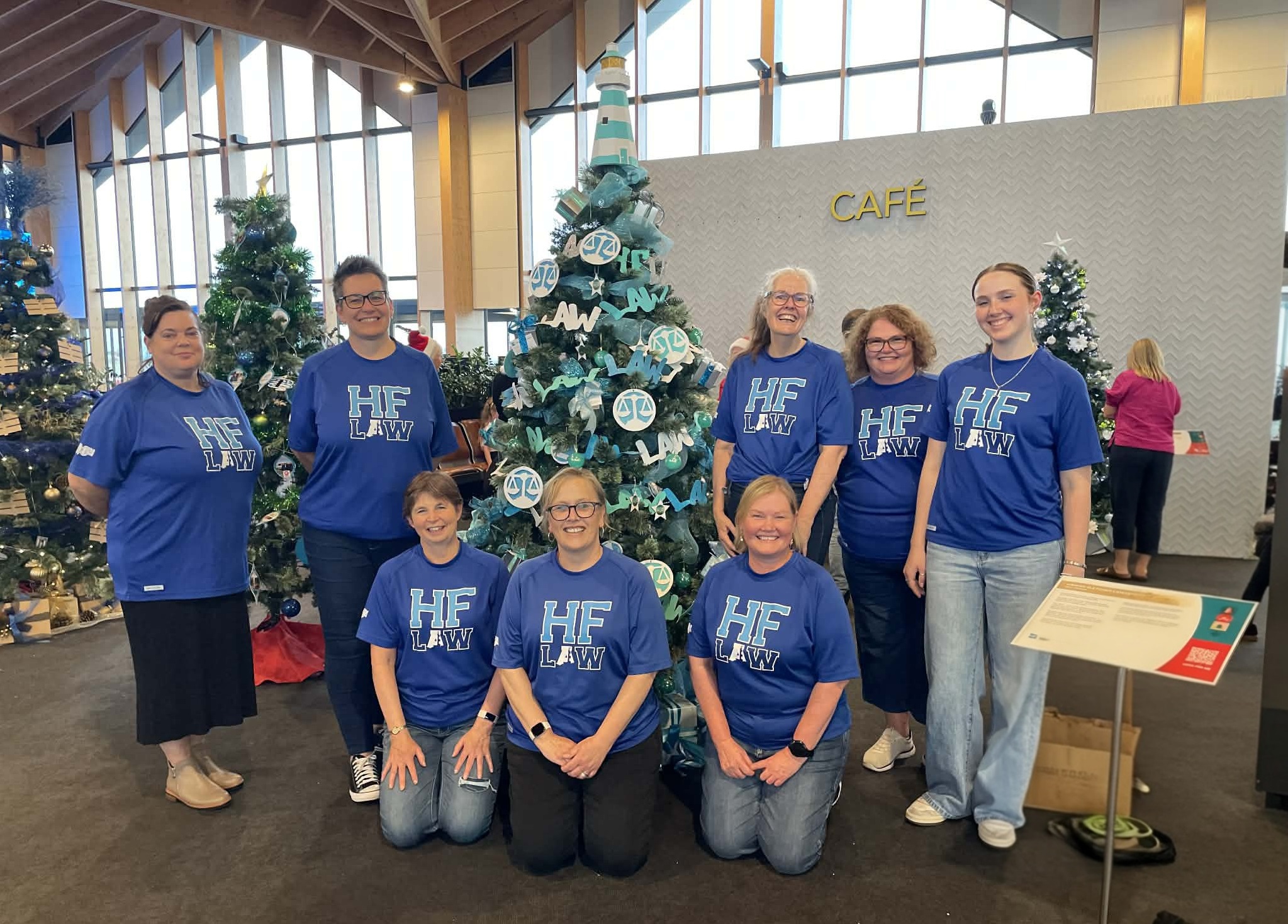
Before we were announced as People’s Choice Winner of the…

Review Your Contracting Out Agreement and Will
If you have a contracting out agreement (also known as a prenup) or will (or no will), you should review them to ensure the property you intend to give to your beneficiaries (i.e. your children) will actually get to them. The recent case of Rimmer v Wilton confirms that prenups determine what is excluded from your estate, therefore reducing what you are able to leave to your beneficiaries. This case is being appealed to the Supreme Court – so the law may change. But, it is important to understand how this case affects the law now and how it affects you, particularly if you have a blended family.
Background: When Mr Rimmer died, he and Ms Wilton had been in a de facto relationship for 16 years. Two years into their relationship they purchased a home together, and shortly after that, agreed the terms of a prenup, which provided that the house would be owned by them as tenants in common in equal shares and when one of them died the survivor could “occupy and use” the other’s share for life. At the time of his death, Mr Rimmer owned cash in a bank account, bonus bonds, interest, personal chattels, and his half share of the home.
Division of Property on Death: When a partner dies, the survivor can choose to divide the property according to Property (Relationships) Act 1976 or inherit from the will (or under the Administration Act 1969 if there is no will). Ms Wilton chose to inherit. As Mr Rimmer died without a will, his estate was distributed according to the law, which allowed Ms Wilton to distribute all of Mr Rimmer’s cash (which sum amounted to less than the law allows) and all of his personal assets to herself. All that was left in Mr Rimmer’s estate was his half share of the home which, under the prenup, Ms Wilton was allowed “occupy and use” rent free for the rest of her life. When the home was sold five years later, Ms Wilton made no distribution to Mr Rimmer’s children.
Issues and Outcome: Likely concerned about the change from real property to liquid funds, Mr Rimmer’s children took steps to secure their interests. They applied to court arguing that Ms Wilton should not be able inherit from the estate plus rely on the prenup to continue using the proceeds from Mr Rimmer’s share of the home, which potentially could leave them with nothing. The High Court and Court of Appeal disagreed – allowing her to use the proceeds until her death.
Why This Matters to You: The consequence of this case for you, is that your prenup (however old it is) will override your current will. Provisions such as a life interest may have unintended consequences for your chosen beneficiaries. If you would like to know more about how this affects you, contact us to talk with our specialists about this complex area of law.
For more information get in touch with Jennie Cox or Jay Pierce.
Related Posts